

How to Store Handmade Jewelry to Prevent Damage
Table of Contents
- Why Proper Storage Matters for Handmade Jewelry
- How to Prevent Jewelry from Tarnishing
- How to Store Necklaces Without Tangling
- Best Jewelry Storage for Earrings
- How to Store Polymer Clay Earrings
- Storage Solutions for Travel and On-the-Go
- Low-Cost and DIY Storage Ideas
- Frequently Asked Questions
Last Updated: October 18, 2026
Why Proper Storage Matters for Handmade Jewelry
Handmade jewelry deserves better care than mass-produced pieces. Each item carries the maker's intention, unique materials, and often delicate construction. When you store handmade jewelry poorly, you risk scratches, tarnish, tangling, and broken clasps that can't always be repaired the same way factory pieces are.
The difference between careless storage and thoughtful storage shows up fast. A necklace left in a drawer tangles within days. Polymer clay earrings stacked on top of each other develop flat spots. Embroidered pieces fade in direct sunlight. These aren't minor cosmetic issues, they shorten the life of pieces you paid good money for and genuinely love.
At Fernanda Design, we create handmade jewelry and lifestyle pieces that are meant to last. Our customers tell us they want their pieces to stay beautiful for years. That's why proper storage isn't optional, it's part of owning handmade jewelry responsibly.

How to Prevent Jewelry from Tarnishing
Tarnish happens when metal oxidizes, basically when it reacts with air and moisture. Silver tarnishes fastest. Copper and brass follow. Even gold-plated pieces can tarnish if the plating is thin or worn.
The best way to reduce tarnish is to limit air exposure. Here's how:
- Use anti-tarnish pouches or bags. These are small fabric or paper pouches treated with materials that absorb harmful gases. Drop your pieces inside and seal them. They're affordable and work well for necklaces, bracelets, and rings.
- Store in sealed containers. A small airtight box or container keeps moisture and air out. Even a resealable plastic bag works in a pinch.
- Add silica gel packets. These absorb moisture, which accelerates tarnish. Toss one or two packets into your storage container. Replace them every few months.
- Keep jewelry away from humidity. Bathrooms are the worst place to store anything metal. Choose a dry closet, drawer, or shelf instead.
For pieces you wear frequently, anti-tarnish pouches make sense. For pieces you rotate or wear occasionally, sealed containers with silica gel packets keep them looking fresh longer.
One practical tip: if you notice tarnish starting, wipe the piece gently with a soft cloth before storing it. This prevents tarnish from getting worse over time.
How to Store Necklaces Without Tangling
Tangled necklaces are frustrating. A chain that was beautiful becomes a knotted mess in days. The solution is simple: store necklaces separately and lay them flat or hang them.
Here's what works best:
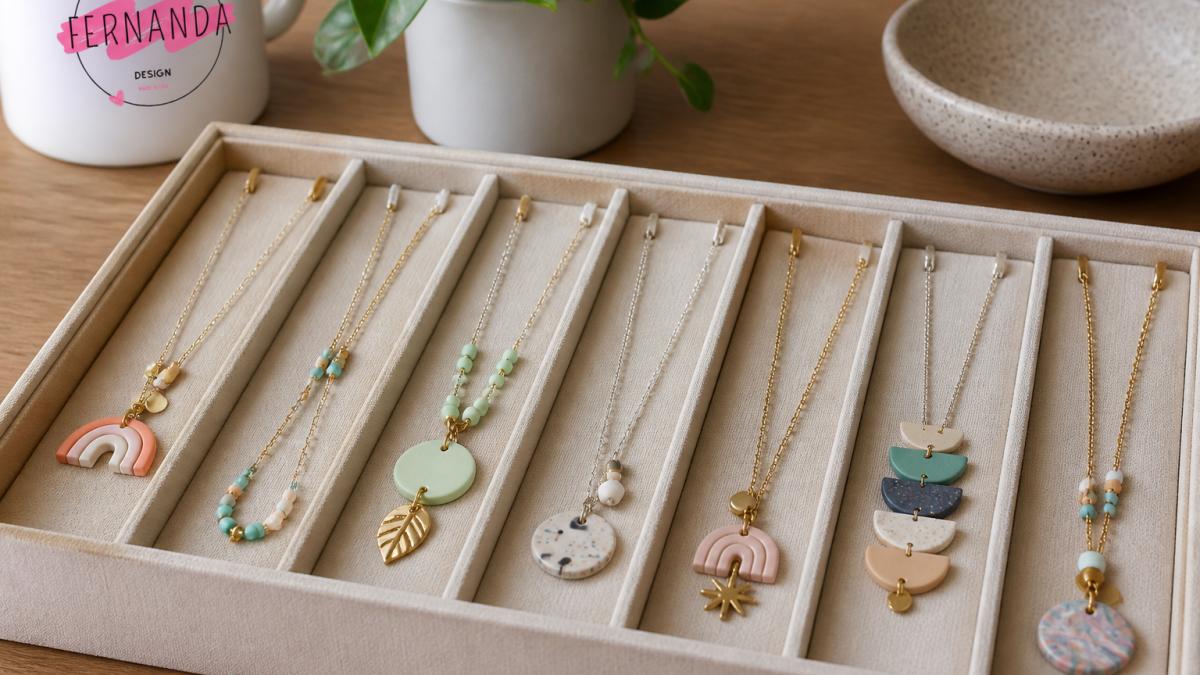
- Lay chains flat in individual compartments. A soft-lined jewelry box with separate compartments keeps each necklace from touching others. Lay the chain straight in its own space.
- Hang necklaces on hooks or stands. A simple necklace stand or wall hooks let chains hang naturally without kinking. This prevents tangling and keeps clasps from getting stressed.
- Use individual fabric pouches. Store each necklace in its own small pouch. This prevents friction between chains and keeps them tangle-free.
- Avoid piling necklaces together. Even in a drawer, necklaces pile on top of each other and tangle. Keep them separated.
For delicate chains or vintage pieces, hanging is often the best choice. It prevents kinking and keeps clasps safe. For everyday necklaces you rotate, individual compartments in a soft-lined box work perfectly.
Best Jewelry Storage for Earrings
Earrings need their own storage strategy because they're small, easy to lose, and often have delicate components like posts, hooks, or wires.
Start with a soft-lined jewelry box or organizer with individual compartments. Each earring pair gets its own space. This prevents earring posts from bending and keeps pairs together so you don't lose one.
For polymer clay earrings and embroidered pieces, soft-lined compartments are essential. These materials can scratch or dent easily. Hard surfaces or rough textures damage them.
Consider these storage options:
- Soft-lined jewelry box with compartments. The classic choice. Each pair sits in its own section, protected from friction.
- Earring organizer with fabric backing. These hang on walls or inside closets. Earrings sit in individual pockets. Easy to see what you have and grab what you need.
- Small fabric pouches. Store each pair in its own pouch. Good for travel or if you have limited drawer space.
- Divided drawer insert. A fabric-lined insert with sections keeps earrings organized and visible in a drawer.
The key is keeping earrings in a soft environment where they won't get bent, scratched, or crushed. Avoid stacking earrings or storing them loose in a drawer.
How to Store Polymer Clay Earrings
Polymer clay earrings are durable when made well, but they need specific storage care. The material can be scratched, dented, or damaged if stored improperly. It can also absorb odors from nearby products and soften in heat.
Here is what to do for polymer clay:
- Use soft-lined compartments only. Hard surfaces scratch polymer clay. Fabric lining protects the finish and prevents marks.
- Store away from heat and direct sunlight. Polymer clay can soften or fade in heat. Keep earrings in a cool, dark closet or drawer.
- Keep away from adhesives and solvents. Polymer clay can react with certain chemicals. Don't store near perfume, nail polish, or cleaning products.
- Separate from metal jewelry. Metal clasps or hooks can scratch polymer surfaces. Use individual pouches if needed.
- Store in a dry environment. Moisture won't damage polymer clay, but it can encourage mold on fabric linings. Keep storage areas dry.
Storage for Other Handmade Materials
Handmade jewelry is rarely one material. Use this quick guide to match storage to the most delicate part of each piece:
- Resin: Store flat in a soft pouch away from heat and direct sun. Resin can yellow or warp with prolonged heat exposure, and pressure can leave marks on soft-cured pieces. Avoid storing resin against sharp metal or under heavy items.
- Beads (glass, stone, seed): Keep in individual fabric pouches or compartment boxes. Glass and stone beads can chip against each other, and seed beads can abrade thread. Store beaded strands flat or hang them to reduce thread stress.
- Wirework and wire-wrapped pieces: Store flat or hang. Repeated bending work-hardens wire and can cause breakage at bends. Avoid piling wirework under heavier pieces.
- Plated metals and base metals: Limit air exposure with anti-tarnish pouches or sealed containers. Plating wears faster with friction, so separate plated pieces from harder metals and store them in soft fabric.
- Natural materials (wood, shell, leather, seeds): Keep away from moisture and direct heat. Wood and leather can dry, crack, or warp; shell can dull with abrasion. Store in breathable fabric pouches rather than sealed plastic if the material needs to avoid trapped humidity.
- Embroidered and textile pieces: Keep out of direct sunlight to reduce fading, and store flat or gently padded to avoid crushing raised stitching.
A simple rule: identify the softest, most scratch-prone, or most heat-sensitive component and store the whole piece to protect that part. When in doubt, a soft fabric pouch or a fabric-lined compartment keeps mixed-material handmade pieces safer than a shared drawer.
Many customers worry about polymer clay durability, and rightfully so. The truth is that polymer clay earrings hold up beautifully when stored correctly. Proper storage is what keeps them that way.
If you own handmade polymer clay earrings from Fernanda Design, treat them like the quality pieces they are. Soft storage, cool conditions, and separation from harsh chemicals will keep them looking fresh for years.
Storage Solutions for Travel and On-the-Go
Traveling with handmade jewelry requires portable storage that protects pieces during transit and keeps them organized while you're away.
Here's what works:
- Small fabric pouches. Pack one or two favorite pieces in individual pouches. They're lightweight and protect against scratches.
- Travel jewelry cases. Compact cases with soft linings fit in luggage easily. Look for ones with compartments so pieces don't shift around.
- Anti-tarnish travel bags. Some pouches are specifically designed for travel and include anti-tarnish materials.
- Soft cloth wrapping. Wrap each piece in a soft cloth before packing. Simple and effective.
- Resealable plastic bags. Not fancy, but they work. Place each piece in its own bag to prevent tangling and scratching.
The goal is keeping pieces from moving around during transit. Friction between pieces causes scratches and damage. Individual pouches or wrapped pieces prevent this.
Pro tip: pack jewelry in your carry-on, not checked luggage. Checked bags get thrown around more, and you don't want your favorite handmade pieces damaged by baggage handlers.
Low-Cost and DIY Storage Ideas
You don't need expensive systems to store handmade jewelry well. Many effective solutions cost little or nothing. The key is to use materials that are soft, non-abrasive, and appropriate for the piece.
Try these budget-friendly options:
- Repurpose small boxes. Line a small box with soft fabric or felt. Create compartments with fabric scraps or cardboard dividers. Instant jewelry box. Make sure the lining is clean and dye-free, since some fabrics can transfer color or hold moisture.
- Use ice cube trays. Line each section with fabric. Perfect for organizing small earrings and rings. Avoid using trays with rough edges or hard plastic that can scratch plated metals.
- Hang a pegboard. Mount a pegboard on your wall. Add small hooks and baskets. Customize it however you want. Keep it out of direct sunlight and away from humid areas.
- Make pouches from fabric scraps. Sew or glue together small fabric pieces to create custom pouches. Cost is nearly zero if you have fabric at home. Use a soft, breathable fabric and avoid gluing directly against jewelry.
- Use egg cartons. Line with felt or fabric. Each egg cup holds one pair of earrings. Surprisingly effective. Replace the carton if it gets damp or soiled.
- Repurpose mason jars. Line with fabric or felt. Store necklaces or bracelets inside. Stack jars to save space. For metal pieces, add a silica gel packet and avoid sealing in damp conditions.
- Use a utensil organizer. Kitchen drawer organizers work great for jewelry. Each compartment holds different pieces. Line the compartments with fabric to prevent scratches.
- Create a necklace hanger from a coat rack. Mount a small coat rack on your wall. Hang necklaces from the hooks. Use hooks with rounded ends to avoid stressing chains.
The Cat Glasses Holder Tray from Fernanda Design is another great option. While designed for glasses, it works beautifully for organizing small jewelry pieces, earrings, and rings on a nightstand or vanity. At just $12.99, it's an affordable, stylish way to keep your favorite pieces visible and organized while adding personality to your space.
DIY storage works because the goal is simple: separate pieces, use soft materials, and keep things dry. You don't need professional systems to achieve this.
Frequently Asked Questions
Is it okay to store jewelry in ziploc bags?
Ziploc bags can work temporarily for handmade jewelry storage, but they're not ideal long-term. Plastic bags trap moisture and can cause tarnish on metal components. If you use them, add a silica gel packet inside to absorb humidity. For better protection, choose anti-tarnish pouches or sealed containers with fabric linings that allow air circulation while protecting against oxidation.
How do you keep necklaces from tangling in storage?
Store necklaces individually in separate compartments or lay them flat in lined drawers. Use small hooks or hang chains on a jewelry stand to prevent tangling. For delicate handmade pieces, wrap each necklace in soft fabric or tissue paper before placing it in its own section. This method prevents clasps and chains from catching on other pieces.
Should jewelry be stored in a humid or dry place?
Always store handmade jewelry in a dry location. Humidity accelerates tarnish and can damage adhesives, coatings, and embroidered components. Keep pieces away from bathrooms and basements where moisture levels fluctuate. Use silica gel packets in storage containers to maintain low humidity. A cool, dry closet shelf or dresser drawer is ideal for long-term jewelry storage.
What's the best way to store handmade jewelry after wearing or cleaning?
After wearing, let handmade jewelry air dry completely before storing to prevent moisture damage. Once dry, place each piece in its designated soft-lined compartment or fabric pouch. Store pieces separately to prevent scratches and friction. For embroidered or polymer clay earrings, ensure they're fully dry before sealing in containers to avoid mold or discoloration.