

7 Benefits of Buying Handmade Goods
Table of Contents
- 1. You Get Truly Unique, One-of-a-Kind Designs
- 2. Handmade vs Mass-Produced Products: Superior Craftsmanship and Durability
- 3. Why Handmade Goods Cost More: Fair Compensation for Makers
- 4. Sustainable Handmade Products Support Environmental Responsibility
- 5. You Support Local Artisans and Small Businesses
- 6. Personalization and Custom-Made Options for Meaningful Gifts
- 7. Handmade Goods Preserve Traditional Crafts and Cultural Heritage
- How to Assess Handmade Quality and Authenticity
- Frequently Asked Questions
Last Updated: October 17, 2026
1. You Get Truly Unique, One-of-a-Kind Designs
Understanding the 7 benefits of buying handmade goods starts here: when you buy handmade goods, you're getting something no one else owns. Unlike mass-produced items stamped out by the thousands, each handcrafted piece carries the maker's individual touch. At Fernanda Design, we create earrings and accessories where no two pairs are exactly alike, each one reflects the artist's creative choices, color variations, and subtle differences that make it singular.

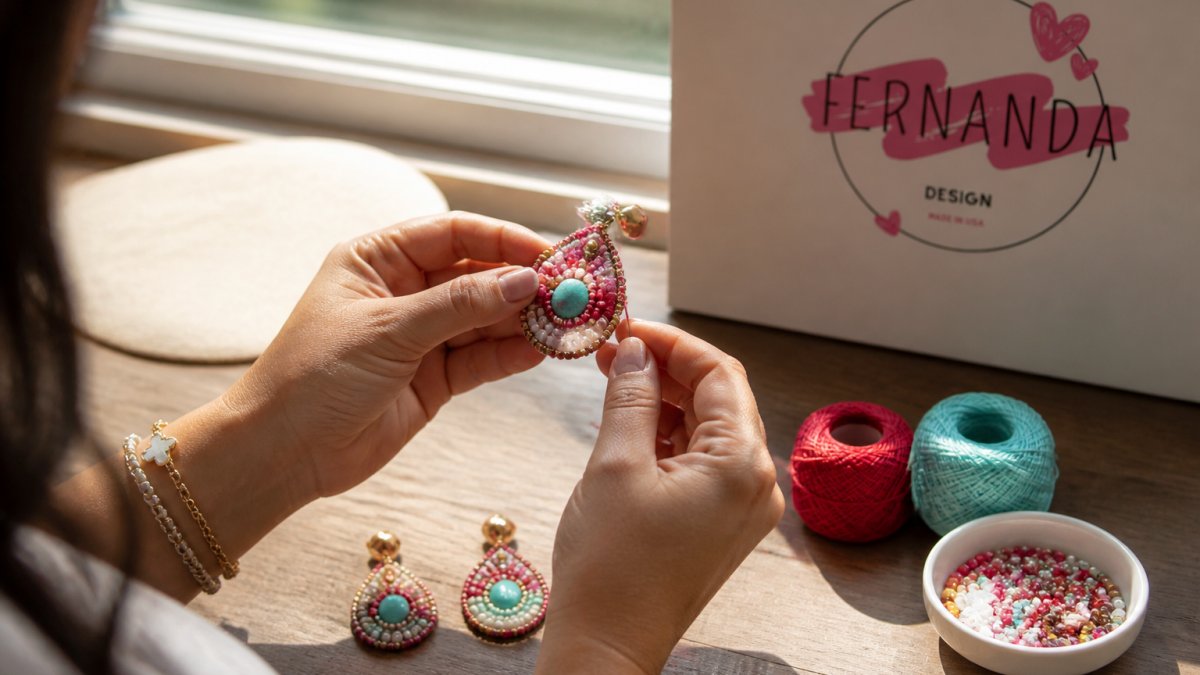
Mass production prioritizes consistency. Factories use molds and machines to create identical copies at scale. Handmade goods do the opposite. A maker working with embroidery or polymer clay introduces intentional variation, a slightly different bead placement, a unique color blend, or a one-time design choice that won't be repeated. This means your handmade accessory is genuinely one-of-a-kind.
The psychological impact matters too. Wearing something truly unique feels different than wearing something thousands of other people own. It becomes part of your identity rather than a commodity. That's why handcrafted pieces from artisans often become favorites people wear for years, they feel personal in a way factory items rarely do.
2. Handmade vs Mass-Produced Products: Superior Craftsmanship and Durability
The difference between handmade and mass-produced goods comes down to attention and intention. When a maker handcrafts each piece, they're invested in quality at every step. They choose materials carefully, control production methods, and inspect their work directly.
Mass production optimizes for speed and cost. A factory processes thousands of units daily, which means individual attention is impossible. Quality control happens through sampling and statistical testing, not through a maker's hands-on evaluation of each piece. The goal is "good enough at the lowest cost," not "the best possible product."
Handmade goods, especially those using quality materials like high-grade polymer clay or premium embroidery threads, tend to last longer. Our pieces at Fernanda Design are designed for durability, polymer clay earrings retain their shape and color over time, and hand-embroidered designs hold up to regular wear because they're constructed with care and precision.
Consider the construction difference: A mass-produced earring might use thin posts and weak adhesive to save cents per unit. A handcrafted earring uses surgical steel posts and proper assembly methods because the maker cares about whether it survives a year of daily wear. That's craftsmanship.
3. Why Handmade Goods Cost More: Fair Compensation for Makers
Handmade goods cost more because they should. When you pay for a handcrafted item, you're paying for labor, skill, and fair compensation, not just materials.
A maker spending 2-3 hours hand-embroidering a single pair of earrings deserves to be paid for that time. Mass production compresses costs by paying factory workers minimal wages and using cheap materials. Handmade makers typically earn a living wage for their craft, which means their prices reflect actual value created.
Let's be direct about the comparison: A mass-produced earring might cost $3-5 because it was assembled in 30 seconds by someone earning a subsistence wage. A handcrafted earring costs $9.99-$49.99 because it represents hours of skilled work, quality materials, and the maker's expertise. That price difference isn't a markup, it's honesty about what labor is worth.
At Fernanda Design, our pieces range from $9.99 for polymer clay designs to $49.99 for hand-embroidered statement pieces. Each price reflects the time, skill, and materials involved. You're paying a maker fairly, not funding a corporation's profit margins.
4. Sustainable Handmade Products Support Environmental Responsibility
Handmade production is inherently more sustainable than mass manufacturing. Here's why: factories consume enormous amounts of energy, water, and resources to produce millions of identical items. Most of those items end up in landfills within months.
Handmade goods create less waste because they're made in smaller batches, often on-demand. A maker produces what sells rather than manufacturing inventory that may never move. This reduces overproduction, packaging waste, and transportation emissions from storing excess stock.
The materials matter too. Many handmade makers, including artisans at Fernanda Design, choose quality materials that last, polymer clay that won't degrade quickly, embroidery threads that hold color, surgical steel posts that won't tarnish. Durable goods get worn longer, which means less frequent replacement and less overall consumption.
Mass production also relies on global supply chains that rack up carbon emissions through shipping. A handmade item crafted locally requires far fewer transportation miles. When you buy from makers working in their own studios, you're supporting production that's closer to home and lighter on the environment.
5. You Support Local Artisans and Small Businesses
Among the 7 benefits of buying handmade goods, this one stands out: when you buy handmade goods, the money goes directly to the maker. There's no middleman taking a cut, no corporate supply chain extracting value at each step. Your purchase supports someone's livelihood and keeps money in the local economy.
Small artisans and makers are the backbone of creative communities. They employ themselves, often hire assistants or collaborators, and spend their income locally, on materials, rent, food, and services in their own communities. That's economic impact that mass retailers never create.
Supporting small makers also preserves traditional crafts and cultural knowledge. When you buy from an artisan, you're helping keep skills alive that might otherwise disappear. Hand-embroidery, polymer clay work, and other traditional techniques require apprenticeship and practice. Demand for handmade goods keeps these skills economically viable.
Fernanda Design operates as a small business crafting pieces in Texas. When you buy from us, you're supporting a maker who's invested in quality and community, not a corporation optimizing for quarterly earnings.
6. Personalization and Custom-Made Options for Meaningful Gifts
Handmade goods lend themselves naturally to personalization. A maker can adjust colors, sizes, or designs to match your preferences in ways mass production cannot. This makes handcrafted items exceptional gifts because they can be tailored to the person receiving them.
Custom-made options transform a gift from generic to genuinely thoughtful. Instead of buying the same item everyone else buys, you can request specific colors, add initials, or choose a design that reflects the recipient's personality. That level of personalization signals that you put thought into the gift.
Even when buying ready-made handcrafted pieces, you're often getting more variety than mass-produced alternatives. Artisans create in multiple colorways and styles, so you have real choices. At Fernanda Design, we offer designs like the Fiore earrings with hand-embroidered details and crystal centers, or the playful Flirty earrings with pink and black graphics, each one expresses a different aesthetic that lets you choose based on who you're gifting to.
The recipient knows a handmade gift required more thought and effort. It's not something you grabbed off a shelf at a big-box retailer. That emotional weight makes handmade gifts more memorable.
7. Handmade Goods Preserve Traditional Crafts and Cultural Heritage
Handmade goods represent cultural knowledge and artistic traditions that span generations. When you buy handcrafted items, you're voting with your wallet to keep those traditions alive.
Many handmade goods draw from cultural practices, embroidery techniques passed down through families, traditional dyeing methods, design patterns with historical roots. Mass production erases this context. A factory-made item with a "traditional pattern" printed on it isn't the same as a piece actually made using traditional methods.
Supporting handmade makers means supporting cultural preservation. An embroiderer using techniques their grandmother taught them is keeping that knowledge alive. A potter working with clay methods centuries old is maintaining a living tradition. Without economic demand, these skills fade away.
Handmade goods also celebrate creativity and individual expression in ways mass production suppresses. A maker's work reflects their vision, their cultural background, and their artistic choices. That diversity of handmade goods enriches the marketplace and preserves human creativity against the homogenizing force of mass manufacturing.
How to Assess Handmade Quality and Authenticity
Not all handmade goods are created equal. Knowing how to evaluate quality and authenticity helps you make confident purchases and avoid misleading claims.
Check the materials. Quality handmade goods use materials that last. Look for surgical steel posts on jewelry (hypoallergenic and durable), high-grade polymer clay that won't crack or fade, premium embroidery threads that hold color.
Examine the construction. Look for signs of hand work. Hand-embroidered pieces should show slight variations in bead placement or thread tension, that's proof a human made it. Seams should be even and secure. Polymer clay should feel smooth and well-finished.
Ask about the maker. Legitimate handmade sellers can tell you who made the piece and how. They should be able to describe their process, their materials, and their inspiration.
Look for consistency with variation. Handmade goods should have a consistent level of quality but show natural variation between pieces. If every item looks identical, it's likely mass-produced. If quality varies wildly, the maker might not have quality control.
Verify the origin claim. If a seller claims items are made in a specific location, ask for details. At Fernanda Design, our pieces are handcrafted in Texas, we're transparent about that because it's true.
Compare pricing honestly. Genuinely handmade goods cost more than mass-produced alternatives. If the price seems too low compared to similar items, the "handmade" claim might be misleading.
| Quality Indicator | What to Look For | Red Flag |
|---|---|---|
| Materials | Surgical steel, premium polymer clay, quality thread | Cheap metals, flimsy construction, fading colors |
| Construction | Even seams, secure assembly, finished edges | Loose threads, rough edges, poor adhesive |
| Maker transparency | Clear description of process and materials | Vague or evasive answers about production |
| Variation | Consistent quality with natural piece-to-piece differences | Identical items (suggests mass production) or wildly inconsistent quality |
| Pricing | Higher than mass-produced equivalents | Suspiciously cheap for claimed handmade status |
The truth is simple: handmade goods are worth the investment. They're unique, durable, fairly made, and better for the environment. When you buy handcrafted items, you're choosing quality over quantity and supporting makers who care about their craft.
Frequently Asked Questions
What makes handmade goods different from mass-produced products?
Handmade goods are crafted individually by artisans, while mass-produced items are manufactured in factories using automated processes. Handmade products offer unique designs, superior attention to detail, and durability that factory production cannot replicate. Each piece carries the maker's skill and creativity, resulting in accessories that feel personal and intentional rather than generic.
Why are handmade goods more expensive than mass-produced items?
Handmade goods cost more because they reflect fair compensation for the maker's time, skill, and materials. Unlike factories that spread costs across thousands of identical items, artisans invest hours in each piece. Quality materials, individual customization, and the overhead of small-scale production also contribute to higher pricing. You're paying for craftsmanship, not just a product.
Are sustainable handmade products actually better for the environment?
Sustainable handmade products typically reduce environmental impact through smaller production volumes, local sourcing of materials, and minimal waste compared to mass manufacturing. Artisans often use eco-conscious materials and avoid the carbon footprint of large-scale shipping. However, sustainability depends on the maker's practices, look for transparency about materials and production methods to verify environmental claims.
How can you tell if a handmade product is high quality?
Assess handmade quality by examining craftsmanship details: even stitching, secure attachments, and finished edges. Check material descriptions and maker transparency about sourcing. Read customer reviews mentioning durability and wear over time. Authentic artisans provide detailed product information and are willing to answer questions about their process. Products from makers like Fernanda Design showcase hand-embroidered details and premium materials that signal genuine quality.
What makes unique handmade gifts more meaningful than store-bought items?
Unique handmade gifts carry the maker's personal creativity and effort, making them feel intentional and special. Each piece tells a story of craftsmanship and cultural heritage. Recipients appreciate the time invested in creating something one-of-a-kind rather than selecting from thousands of identical options. Handmade gifts from artisans demonstrate thoughtfulness and support for small creators, adding emotional value beyond the physical item.
Buying handmade goods means choosing pieces that reflect your values. At Fernanda Design, we create each item with intention and care, using quality materials that last. Our hand-embroidered earrings and polymer clay designs are crafted to elevate your everyday style while supporting artisan work. Shop our collection and discover the difference that genuine craftsmanship makes. Each piece tells a story, make it yours.