

Functional Design for Jewelry E-Commerce: A Complete Guide
Table of Contents
- Why Functional Design Matters for Jewelry E-Commerce
- Setting Up Your Home Studio Workspace
- How to Choose Handmade Jewelry for Your Product Range
- Designing Your Online Store for Customer Discovery
- Handmade Jewelry Gifts: Curating Collections That Sell
- Jewelry Storage Ideas for Inventory and Workflow
- Functional Home Accessories as Brand Extensions
- Daily Routines and Repeatable Operating Workflows
- Measuring Whether Functional Design Improves Performance
- Frequently Asked Questions
Last Updated: October 16, 2026
Why Functional Design Matters for Jewelry E-Commerce
Functional design for home and daily routine for jewelry e-commerce isn't just about aesthetics, it's about creating systems that work as hard as you do. When your studio doubles as your storefront, every square inch matters. The right layout keeps production flowing, inventory accessible, and your online presence polished.
Here's what separates a sustainable jewelry business from one that burns out: intentional design. Your home workspace needs to support both the maker and the merchant. That means organizing for production speed, photographing for conversion, storing inventory without chaos, and managing orders without dropping the ball.
Setting Up Your Home Studio Workspace
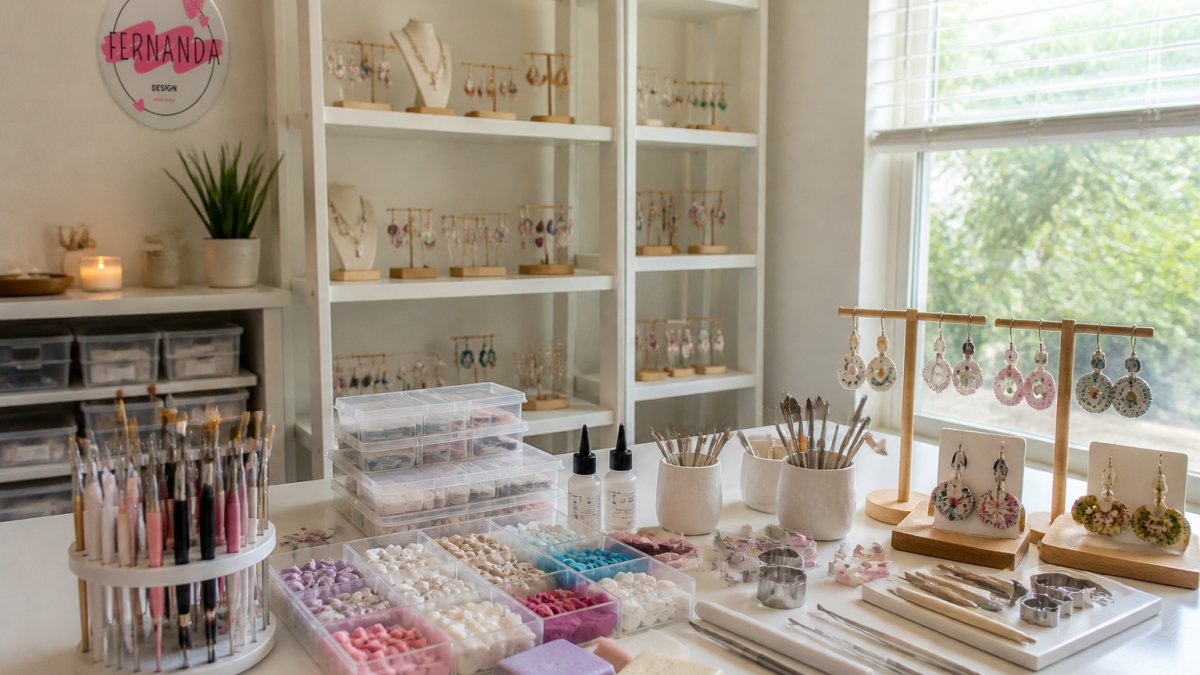
Your studio is your factory, your office, and your brand headquarters. Most makers start cramped and never reorganize. The cost of that mistake compounds every single day you work there. Functional design for home and daily routine for jewelry e-commerce begins with space that actually functions.
Small-Space Layout and Storage Solutions
Most home jewelry studios start with a corner and hope for the best. The fix is zoning: separate your production area from your photography area from your packing station.
Vertical storage is non-negotiable. Wall-mounted shelves, pegboards, and clear containers let you see inventory at a glance. Label everything.
Consider your daily workflow. Do you start with sketching? Keep reference materials and inspiration boards near your main workspace. Do you move between polymer clay work and assembly? Position your polymer oven where you can monitor it without abandoning your workspace.
Ergonomic Organization for Daily Production
Repetitive motion injuries can impact jewelry careers. Your wrists, shoulders, and back take the hit during production. Set your work surface at elbow height when seated. Keep frequently used tools within arm's reach.
Good lighting prevents eye strain and catches quality issues before pieces leave your studio. Natural light is ideal, but if you're working evenings, invest in a daylight-spectrum lamp.
Storage should minimize reaching and bending. Keep your most-used materials at waist height. Heavy items stay low. Fragile finished pieces stay elevated and protected. This isn't just comfort, it's efficiency.
How to Choose Handmade Jewelry for Your Product Range
Your product range is your brand's voice. Every piece in your collection should reflect your aesthetic and serve your customer.
Start with your customer. Who are you making for? Someone buying a pair of embroidered earrings from Fernanda Design isn't looking for mass-produced alternatives.
Consistency matters more than variety. Three styles executed beautifully can often outsell ten styles executed unevenly. When you're starting, narrow your range. Master your core products. Then expand deliberately.
Consider production time and pricing. Some pieces take longer to create. That's fine, price them accordingly.
Designing Your Online Store for Customer Discovery
Your website is where functional design jewelry e-commerce becomes real. A beautiful store that's hard to navigate loses sales. A fast, intuitive store that's ugly can lose sales. You often need both.
Customers should ideally find what they're looking for in a few clicks. That means clear categories, logical filtering, and honest product photography. If someone lands on your site looking for gift-ready earrings, they should find that collection immediately. If they want lightweight pieces, that filter should exist.
Product Pages and Mobile-First Navigation
Most of your traffic comes from mobile. Design for that first. Your product pages need to load fast, show multiple angles of the piece, and make the purchase button obvious.
Write product descriptions that speak to your customer's needs.
Mobile-first navigation means your menu is accessible, your search works, and your checkout doesn't require scrolling endlessly. Test your store on an actual phone. If you get frustrated, your customers will too.
Visual Presentation and Product Photography
Product photography is where functional design meets conversion. Good photography shows the piece in context and at scale. A close-up of your embroidered earrings tells one story.
Consistency in photography style builds trust. If your photos vary wildly in lighting, background, and angle, your store looks unprofessional. Pick a style and stick with it. Natural light, white background, consistent angles.
Show scale. Include a photo of the earrings next to a coin or in someone's ear. Buyers need to know if they're getting delicate studs or statement pieces. Functional design means removing guesswork.
Handmade Jewelry Gifts: Curating Collections That Sell
Gift buyers think differently than personal shoppers.
Curate themed collections: gifts for the minimalist, gifts for the bold, gifts for the traveler. Each collection tells a story.
Price matters for gifts. A $15 piece can feel like a thoughtful gift. A $60 piece often needs to feel premium. Know where your pieces sit and market them accordingly.
Consider gift packaging. A piece wrapped thoughtfully, with a note about the maker and the materials, becomes an experience. That's often worth the extra cost and effort.
Jewelry Storage Ideas for Inventory and Workflow
Inventory chaos kills profitability. You can't sell what you can't find. You can't fulfill orders efficiently if your stock is scattered. Functional design for home and daily routine for jewelry e-commerce includes a storage system that serves both production and fulfillment.
Organizing Stock for Efficient Order Fulfillment
Your storage system should mirror your online store's categories. If you sell embroidered earrings, polymer clay earrings, and apparel, your storage reflects that.
Clear containers are non-negotiable. You need to see inventory levels at a glance. Opaque boxes can mean you're guessing, and guessing can lead to errors and delays.
Track inventory in a simple spreadsheet or with inventory management software. When you sell out of a color or style, you know immediately.
Keep finished goods separate from materials. A dedicated shelf for packed orders waiting to ship. A separate area for materials.
Functional Home Accessories as Brand Extensions
Your brand extends beyond jewelry. Functional home accessories align with your customer's values: beauty, craftsmanship, and purpose. Items like the Bubble Pop Organizer ($22.99) or Black Mosaic Coasters ($29.99) serve the same customer who buys your earrings.


These pieces aren't distractions from your core business. They're extensions of your brand. The Heart Loop Phone Stand ($12.99) or Cat Glasses Holder Tray ($12.99) appeal to the same sensibility: functional design meets personality.

These items also improve your average order value. A customer buying a pair of earrings might add a coaster set to their cart. That's not upselling, that's serving your customer's actual needs.
Daily Routines and Repeatable Operating Workflows
The difference between a sustainable business and a burnout is systems.
Start your day with the same routine. Check orders. Prioritize what needs shipping today. Assess materials. Then move into production.
Build a production schedule. Maybe Mondays and Tuesdays are polymer clay days. Wednesday is assembly and finishing. Thursday is photography.
Create a checklist for order fulfillment. Grab item. Inspect for quality. Package carefully. Add a thank-you note. Weigh and label.
Document your systems. Write down your daily routine, your production steps, your photography process.
Measuring Whether Functional Design Improves Performance
You can't improve what you don't measure. Track a few key metrics: time from order to shipment, customer satisfaction with shipping speed, production output per day, and inventory accuracy.
When you improve your studio layout, measure how that changes your daily output. When you reorganize your storage, measure how that changes fulfillment time.
Many jewelry makers focus entirely on making beautiful pieces and ignore the business systems. That's where functional design jewelry e-commerce becomes critical. The makers who thrive aren't necessarily the most talented.
Building a jewelry e-commerce business from home requires more than beautiful pieces. Small improvements to functional design compound daily, turning a chaotic side hustle into a sustainable business. The Small Business Administration's guide to home-based business planning offers frameworks for scaling. And research on user experience and conversion rates from Nielsen Norman Group shows that functional design directly impacts sales.
Frequently Asked Questions
What makes functional design important for a jewelry e-commerce business?
Functional design connects two critical areas: your home workspace and your customer's shopping experience. A well-organized studio speeds up production and order fulfillment, while an intuitive online store reduces friction in the customer journey. When both work together, you spend less time on logistics and more time creating, and customers find what they want faster. This directly improves conversion rates and customer satisfaction.
How do you choose handmade jewelry for your product range?
Start by identifying your niche and target customer. Consider what materials align with your brand values (polymer clay, embroidered designs) and what price point your audience accepts. Test designs with small batches before committing to large inventory. Look at what similar artisans offer and find your unique angle. Handmade jewelry gifts can sell well during gifting seasons, so plan collections around holidays and occasions that matter to your audience.
What jewelry storage ideas work best for a small home studio?
Use vertical storage with labeled bins or drawer dividers to maximize limited space. Keep finished pieces separate from materials and work-in-progress items. Clear containers let you see inventory at a glance, reducing the time spent searching for specific colors or styles. Store delicate items like earrings in soft pouches or small compartments. A rolling cart with drawers can serve double duty as both storage and a mobile workstation. The goal is to move from storage to packing efficiently.
How should I design my online store for jewelry e-commerce?
Prioritize mobile-first design since most jewelry shoppers browse on phones. Use clear product categories (earrings, necklaces, gifts) and filters so customers find items quickly. High-quality product photography with multiple angles and lifestyle shots builds trust. Include detailed descriptions that highlight materials, dimensions, and care instructions. Feature trust signals like customer testimonials, your handmade story, and a clear returns policy. A simple, fast checkout reduces cart abandonment.
What functional home accessories complement a jewelry brand?
Functional home accessories like jewelry storage boxes, desk organizers, and decorative trays create additional revenue streams while solving a real customer need. Items like the Bubble Pop Organizer ($22.99) or Black Mosaic Coasters ($29.99) appeal to the same design-conscious audience who buy handmade jewelry. They also make excellent gift bundles and increase average order value. Choose pieces that reflect your brand aesthetic and genuinely serve a purpose in daily life.
How do I set up a daily routine that keeps production and sales moving?
Segment your day into distinct blocks: production time (creating new pieces), fulfillment time (packing orders), photography and listing time (updating your online store), and customer service time (emails, messages). Use a checklist to track inventory levels and reorder materials before you run out. Schedule a weekly review of sales data, top-performing products, and customer feedback. A consistent routine reduces decision fatigue and ensures nothing falls through the cracks as your business grows.
How can I tell if my functional design is actually improving sales?
Track metrics that matter: average order value, conversion rate, time from order to shipment, and customer repeat purchase rate. A well-organized workspace can help reduce fulfillment time. An intuitive online store can help lower your cart abandonment rate. Measure customer satisfaction through reviews and testimonials. If customers mention ease of browsing or fast shipping, your functional design is likely working. Run A/B tests on store layout and product page design to find what resonates with your audience.
Why should I invest in handmade jewelry gifts as a business strategy?
Handmade jewelry gifts command higher price points and stronger customer loyalty than mass-produced alternatives. Customers actively seek unique, artisan pieces for special occasions and personal expression. By curating intentional gift collections and telling the story behind your designs, you build emotional connection. Handmade items can also help reduce return rates because customers often understand they're buying craftsmanship, not perfection. This segment can be a significant source of revenue for jewelry makers who market it deliberately.